PFAS – the “forever chemicals”
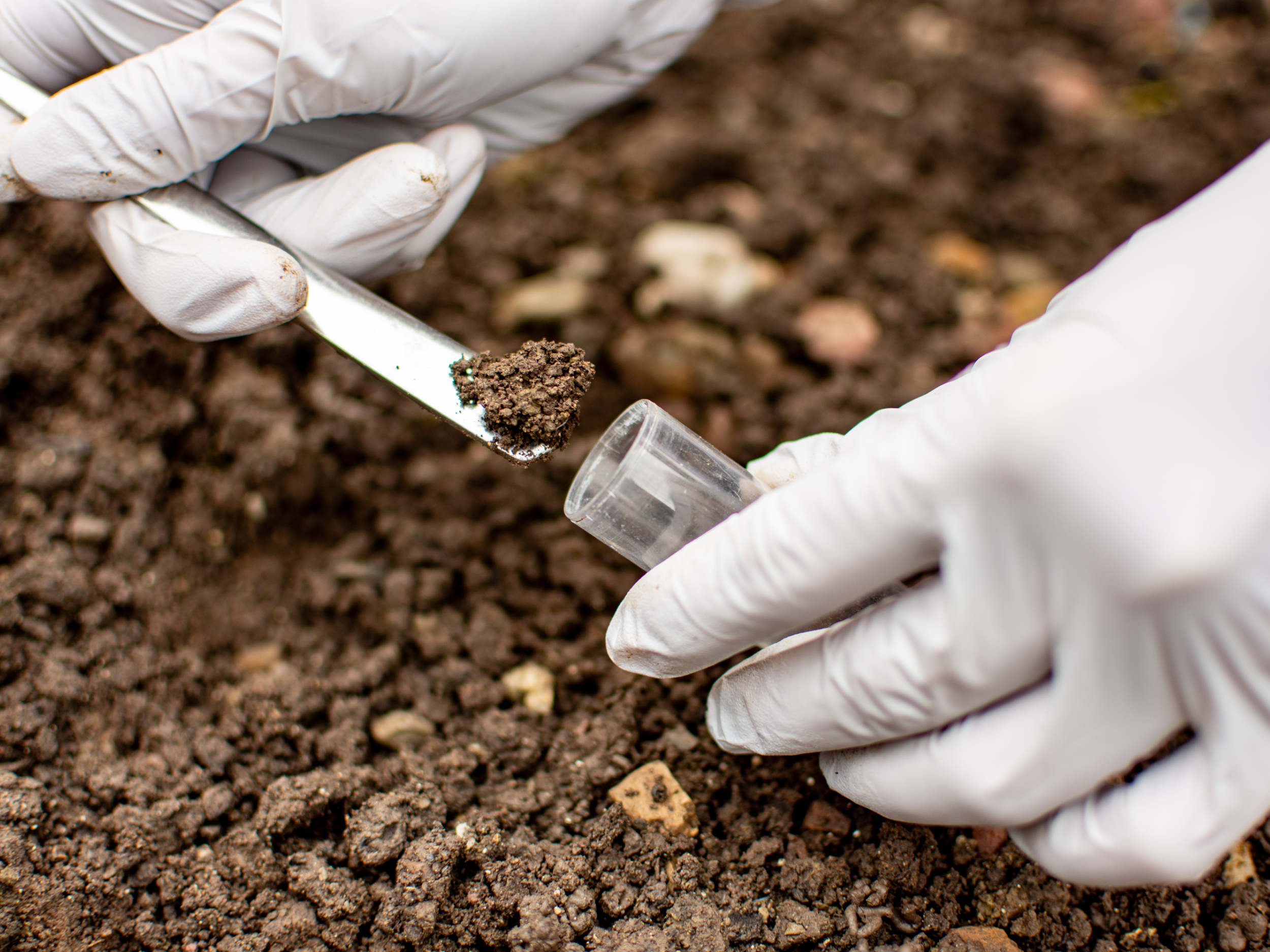
These chemicals are inconspicuous and can be found almost everywhere. Nevertheless, far too little is known about their properties. Of the millions of compounds, only about 50 have been studied in detail. Empa is investigating how PFAS are released into the environment, what risks they pose to humans and the environment, and how they can be detected, removed, and replaced with sustainable alternatives.
PFAS are released into the environment during their production, use, and disposal. These substances hardly degrade in nature and remain stable, in some cases for hundreds of years. As a result, PFAS accumulate in the environment. Many PFAS spread particularly rapidly in water bodies and through the air. They enter the soil and the food chain because they are easily absorbed by organisms.
At Empa’s PFAS booth, visitors can learn what lies behind the so-called “forever chemicals.” Illustrative models and visualizations show where PFAS are used, how they enter the environment, and how they ultimately reach humans via water, soil, and food chains.
Another focus is a current Empa research project on PFAS-free textiles. The “EC0Tex” project, funded by Innosuisse, aims to create water-repellent coatings for fibers and yarns by using fluorine-free substances in a specially developed plasma coating system.
Through interactive displays and hands-on activities, visitors can playfully explore key aspects of PFAS research and build something themselves.
Further information:
Exposure for generations: PFAS in the environment
Eco-friendly textiles without PFAS
Alternatives to PFAS in textiles
Potential and Challenges to Replace PFAS Coatings Considering Safe and Sustainable by Design Aspects
Empa an der Scientifica 2026
Other events surrounding PFAS at Scientifica:
Short lecture: PFAS – Stoffe, die unsere Welt verändern
Saturday, 22. August 2026, 13.00